How to Choose Kitchen & Bathroom Sealing Tape: Width, Material & Application Guide
Choose kitchen and bathroom sealing tape by measuring the joint and the bonding surfaces beside it. Then match the tape width, material and adhesive combination, roll length, color and packaging to the intended installation. For bulk orders, confirm the specification with samples before approving production.
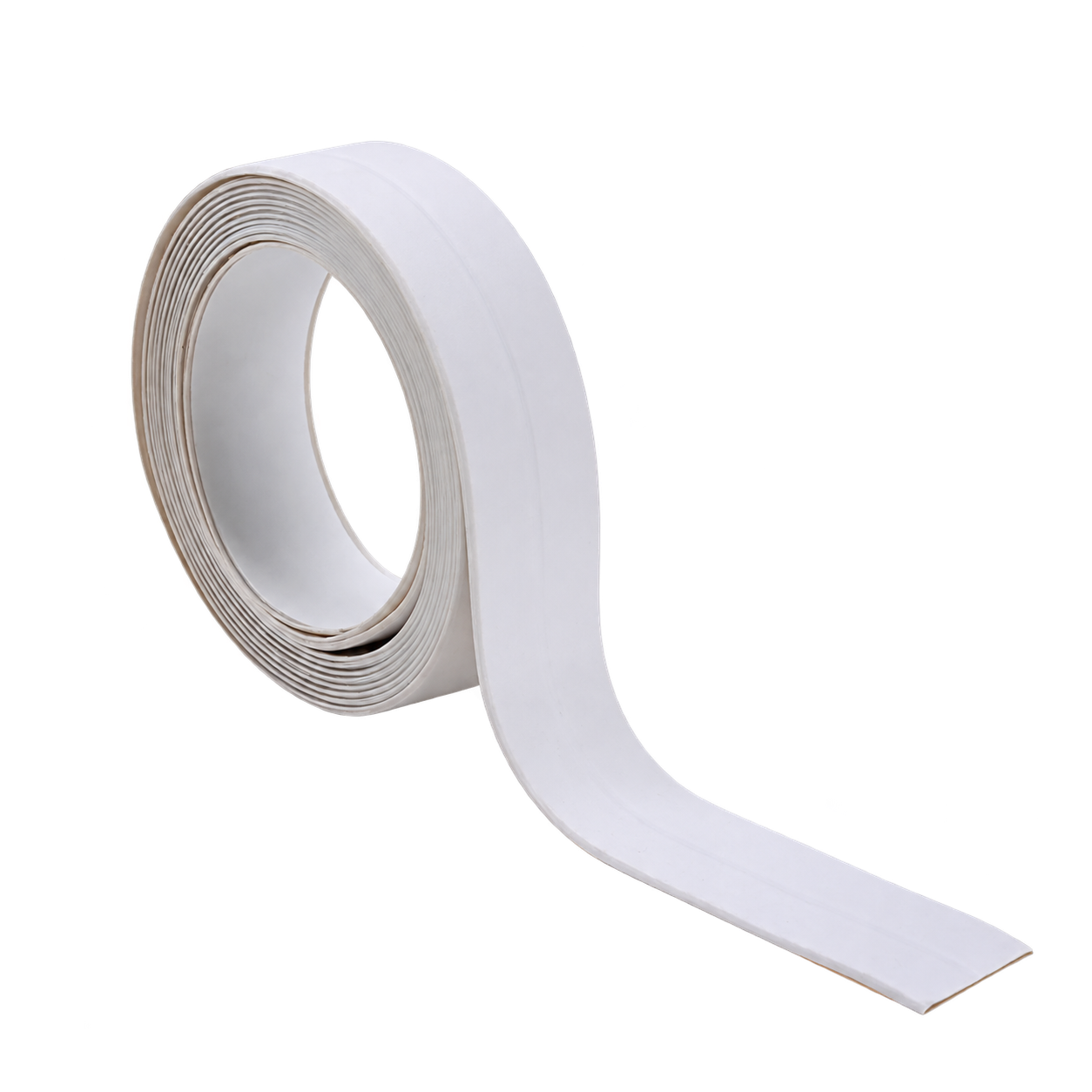
For distributors and private-label buyers, using the same specification for each quotation helps avoid comparing different roll sizes, adhesives or packaging. This guide covers the options listed in the yiHom sealing tape range and the questions to resolve before ordering.
Choosing between 22, 28, 35, 38 and 50 mm widths
Tape width is the full width of the strip. The joint also needs sufficient bonding surface on each side. Confirm the permitted gap and required contact area for the selected product; tape width alone does not establish either limit.
yiHom lists 22, 28, 35, 38 and 50 mm widths, with a standard thickness of 1 mm for both material options. Compare these widths against your measured installation:
| Width | What to check when selecting a sample |
|---|---|
| 22 mm | Whether a narrow visible strip still provides adequate contact on both sides of the joint. |
| 28 mm | Whether the extra width fits the ledge or counter edge without overhanging. |
| 35 mm | Whether the strip covers the intended area and follows the joint profile. |
| 38 mm | Whether the additional 3 mm over a 35 mm option is useful for your measured surface. |
| 50 mm | Whether both surfaces have enough room for the wider strip, including around fixtures. |
No width belongs exclusively to a kitchen or a bathroom. A narrow basin rim and a broad countertop joint may need different dimensions even when they are in the same room.
For a folded installation, ask for the fold position or profile drawing. Do not assume that the full width remains available on either side. Confirm the required bonding area and suitability with the supplier before approving the size.
PE vs PVC: compare the adhesive as well as the tape body
The current yiHom range lists two material and adhesive combinations:
| Tape body | Adhesive |
|---|---|
| PE | Butyl adhesive |
| PVC | Acrylic adhesive |
PE means polyethylene; PVC means polyvinyl chloride. In this range, changing the tape body also changes the adhesive: PE uses butyl, while PVC uses acrylic. Compare the complete tape construction on the intended surface. The material name alone does not establish which option will perform better.
Request samples against the same application brief. Include the surface material, joint shape, expected water exposure and cleaning routine. Ask the supplier to confirm surface preparation, application conditions and any waiting period before use.
If mold resistance is a purchasing requirement, request evidence for the exact product construction and the relevant test conditions. Do not infer a mold-resistance rating from PE or PVC alone.
Kitchen, bathroom and countertop applications
For a kitchen sink or countertop edge, record the available flat surface, nearby corners, and exposure to grease, water or heat. Mention proximity to a hob or another heat source so the supplier can assess suitability.
For a bathroom basin or bathtub edge, describe the surface finish and whether the joint receives occasional splashes, repeated direct water exposure or standing water. These conditions should be part of the sample evaluation brief.
For corners and curved edges, provide photographs and dimensions. Check how the sample follows the profile and whether its edges remain in contact with the intended surfaces.
Do not specify surface tape as a repair for an unresolved leak without confirming the underlying repair requirements. Installation instructions and application suitability should be confirmed for the selected product.
Choosing the roll length
The listed lengths are 1.5, 2.8, 3.2, 3.5 and 5 m. Measure each intended run and prepare a cutting plan before choosing a roll.
For example, if one installation needs a continuous 2.4 m piece, a 1.5 m roll cannot supply it as one piece. A 2.8 m roll leaves a nominal 0.4 m before trimming or any allowance required by the installation method. This is a planning example, not a recommended allowance for every application.
For retail packs, compare the roll length with the intended customer project. For repeated installations, compare usable pieces per roll and expected offcuts. A longer roll is useful only if its length fits the cutting plan.
Selecting colors
The listed colors are white, transparent, gray, brown and black. Size and color combinations depend on suitable order quantity; confirm availability for the exact combination you need.
Evaluate physical samples alongside the intended surface. For transparent tape, inspect the installed appearance rather than relying only on the loose roll. For a branded color, provide a color reference and agree on a sample approval process.
Planning OEM packaging
Packaging should describe the confirmed product clearly. Prepare the brand artwork, chosen width and roll length, color, pack quantity, barcode requirements and market language before requesting a packaging quotation.
Agree on installation instructions and product claims before printing. Any performance statement should match the evidence available for the selected tape. Review sealing tape packaging examples as a starting point, then confirm the packaging for your order.
When does customization make sense?
Start by evaluating a standard specification. Consider customization when a measured joint, planned retail pack, brand color or installation requirement cannot be met by the standard options.
yiHom lists customization of width, length, thickness, color and packaging. Non-standard structures and sizes can be evaluated for new tooling. Feasibility, order quantity, tooling cost and sampling requirements need confirmation for the specific project.
A focused request helps the supplier assess the job: identify the requirement that a standard option cannot meet, provide dimensions or photographs, and explain how the finished product will be used.
Prepare your inquiry
Use this checklist when requesting samples or a quotation:
- Application and surface material
- Joint dimensions and photographs or drawings
- Preferred material and adhesive combination
- Tape width, thickness, roll length and color
- Estimated order quantity and target market
- Packaging format, artwork and language requirements
- Any required performance evidence
If you are unsure which construction to choose, describe the application and request samples of both options for comparison.
Browse the sealing tape product specifications, or send your sealing tape requirements to discuss a suitable sample and quotation.