OEM Furniture Protection Samples: What to Approve Before Bulk Production
An OEM furniture protection sample is useful when it can be traced to a written specification and a clear decision. Before approving bulk production, identify what the sample represents, what you checked and which details still need confirmation. A product sample, an artwork proof and a packed sample answer different questions.
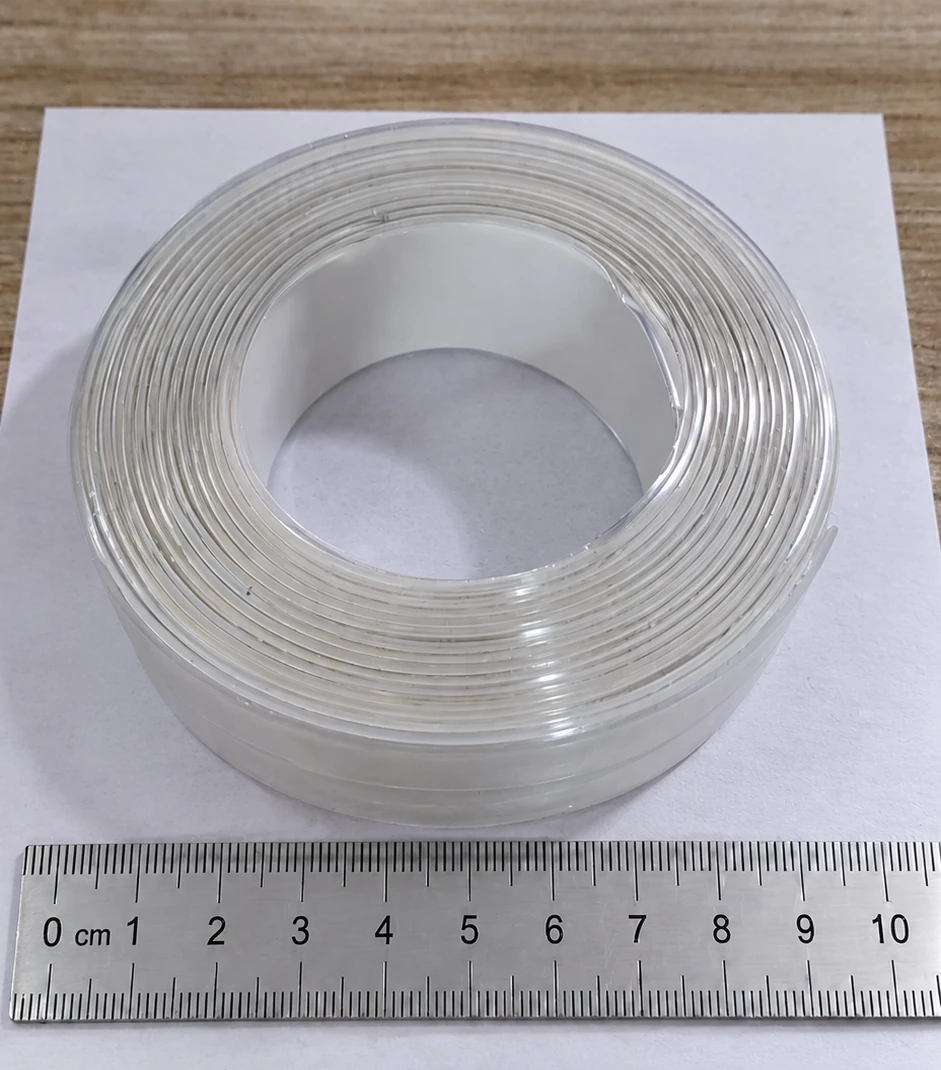
This guide gives importers and private-label buyers a practical approval record for furniture glides, leg caps and bumper pads. It follows the stages described on yiHom's OEM and ODM page. Use the checklist to agree on the review scope for your order; specific tests and acceptance criteria need to be agreed for the selected product.
Define what each sample is intended to prove
Start the request by naming its purpose. You may need a standard model to check fit, a development sample to review a changed shape, or a packed sample to review the finished retail unit. Agree on that scope before treating the sample as approval of an entire order.
Record any difference from the proposed production specification. A sample in a reference color might help review dimensions, but it does not settle the final color. Similarly, a digital pack design does not confirm how the physical product fits inside the packaging.
| Review item | What the approval record should identify |
|---|---|
| Product sample | Model, dimensions, materials, color and sample reference |
| Fitting review | Furniture or assembly used and the observed fit |
| Application review | Conditions, checks performed and acceptance decision |
| Artwork proof | Exact file name, language and revision |
| Packed sample | Product count, layout, pack construction and printed information |
| Open items | Unconfirmed details, required action and decision owner |
Match the sample to the product family's critical details
For PTFE glides, identify the contact shape, complete construction and mounting method. yiHom lists a PTFE surface with TPU and foam backing, with thickness varying by model. An approved adhesive-backed round sample does not automatically approve a screw-hole or nail-on version. Use the PTFE glide mounting guide to define the attachment details.
For PVC leg caps, record the furniture-leg measurements used for fitting and whether the sample includes felt. The listed 20 mm and 30 mm sizes are catalog references, not universal fit ranges. Keep the actual furniture model and sample configuration together in the approval record, supported by a furniture-leg measurement sheet.
For bumper pads, record the profile, footprint, height and sheet layout. Separate individual pad quantity from sheet quantity. If a layout changes, review the packed count and artwork even when the individual pad remains the same. The PVC and PU bumper comparison separates dimensions, profiles and order units.
Agree on checks before evaluating the sample
Describe the intended application and what a satisfactory result means. Fit, movement, retention, appearance and packaging may all matter, but each needs a defined observation. Terms such as “good quality” or “strong adhesive” do not tell the supplier what was accepted.
Ask for relevant product evidence where a performance requirement matters. If you need a particular test, document or certification, identify it and request the evidence applicable to the exact product. Do not treat an unspecified factory document or a different model's report as confirmation.
Keep evaluation conditions with the result. Record the furniture or assembly, surface, installation method and any agreed loading or movement conditions. This helps distinguish a sample decision from an unsupported promise of performance in all applications.
Keep artwork and product revisions aligned
Assign a revision reference to the agreed product specification and the artwork file. When a dimension, color, mounting arrangement or pack quantity changes, identify which approvals need another review. A visible logo correction may not change the product, while a new roll length or sheet layout can affect the package contents.
For a tape-specific packaging project, use the OEM sealing tape packaging checklist to prepare the retail item first. The approval record discussed here then captures which product and artwork versions are accepted; it does not replace that packaging brief.
Avoid relying on an informal message saying “looks fine.” State whether the decision covers appearance only, fitting, packaging or the complete agreed sample scope. Keep unresolved items visible rather than assuming silence means approval.
Use a concise approval record
A practical record can contain:
- Buyer item code, supplier model and sample reference.
- Product specification revision and relevant drawing.
- Furniture or application used for the review.
- Checks performed and observations recorded.
- Approved features and any accepted differences from the sample.
- Outstanding changes and whether a revised sample is required.
- Artwork revision, pack quantity and packed-sample reference.
- Name of the buyer's approver and the actual approval date.
Use actual names and dates when making the record. Keep a photograph of the identified sample with the approved specification so a later replacement can be compared with the same reference.
Record a decision for each open item
A single “approved” message can hide several different decisions. Use separate rows for fit, appearance and packaging, then record the scope authorized for the next stage.
| Decision field | What to write |
|---|---|
| Item under review | Exact feature or file revision, such as cap fit or pack artwork |
| Evidence | Sample reference, photograph and observation or agreed test result |
| Decision | Accepted for the stated scope, revision requested, or awaiting evidence |
| Next action | Change or evidence needed; whether another sample or proof is required |
| Responsibility | Person responsible and agreed completion date |
| Release scope | What the buyer authorizes after the item is resolved |
For example, if cap fit is accepted but the printed item code needs correction, record the fit result separately and request a revised artwork proof. Do not describe the whole retail pack as approved until the agreed packaging review is complete. This example illustrates record keeping; it is not a completed yiHom order or customer case.
Confirm the commercial scope separately
Product approval should be tied to the agreed quotation, quantity and packaging. Confirm development items and timing for the specific project. yiHom's published process includes requirements, solution confirmation, sampling or mold development, approval of specifications and bulk production; it does not establish one lead time for every custom order.
Ask what quality checks are agreed for the bulk order and how changes will be handled. This is a point to confirm with the supplier, not a reason to assume a particular inspection standard or acceptance sampling level.
Does approving a standard sample approve a custom version?
Only the scope explicitly agreed should be treated as approved. If size, material, color, backing, attachment or packaging changes, identify whether a revised sample or proof is needed. Record the differences and the buyer's decision so the standard sample is not mistaken for an exact representation of production.
Can the order proceed while some details remain open?
Discuss the effect of each open item with the supplier and record what is authorized. A minor artwork correction and an unresolved fitting problem have different implications. Specify which next steps are authorized and which require the open item to be resolved first.
Review the yiHom product families, then send your OEM sample requirements. A traceable sample approval connects the physical product, the written specification and the order the supplier is expected to fulfill.